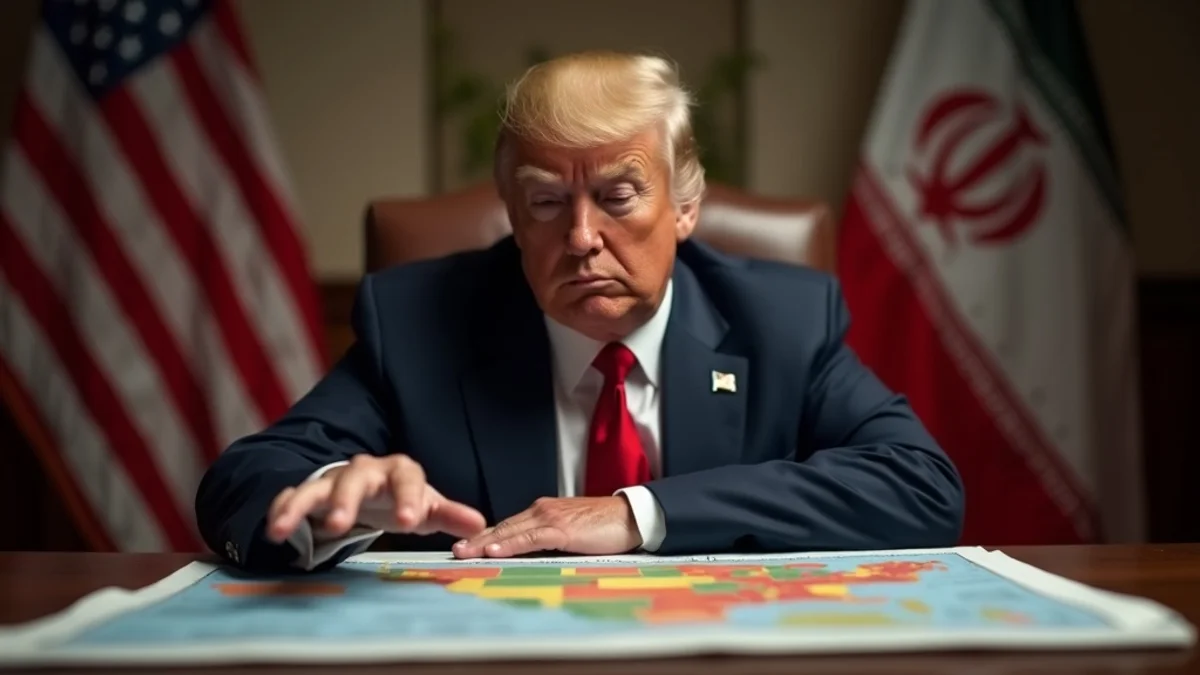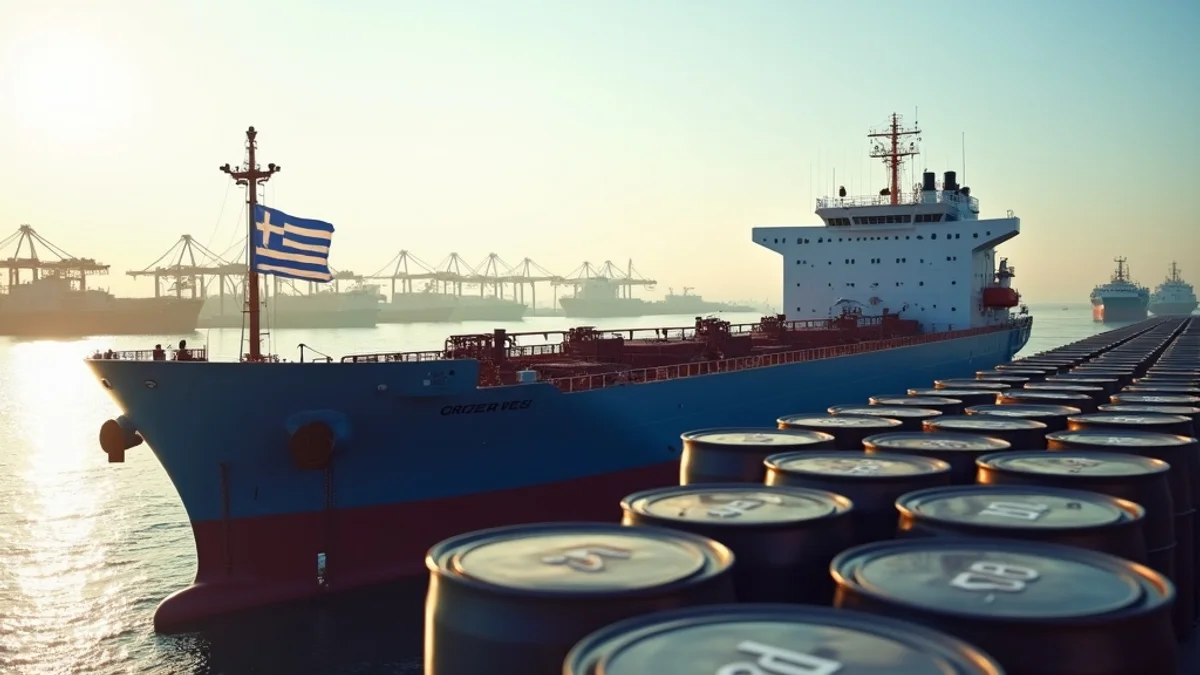


Recently, an accord between the U.S. and Iran has raised concerns among shipping executives regarding potential fees for transiting the Strait of Hormuz, a vital artery through which approximately 20% of the world’s oil supply passes. The language in the agreement could allow Iran to impose charges within 60 days, echoing a similar structure to the tolls used in the Strait of Malacca.
Implications for Global Shipping and Oil Prices
The Strait of Hormuz, bordered by Iran, Oman, and the United Arab Emirates, is a critical shipping lane, with about 18 million barrels of oil transported daily. Should Iran proceed with tolls, the ripple effects could significantly increase shipping costs and potentially raise oil prices globally. Analysts estimate that the addition of fees could push oil prices up by 10% to 15%, exacerbating inflationary pressures worldwide.
Market Reactions and Investor Sentiment
Investors reacted swiftly to the announcement, sending crude oil prices upward to nearly $90 a barrel. The S&P 500 climbed by 1.5% in anticipation of increased oil revenue for energy companies. However, the market remains cautious; analysts warn that geopolitical tensions could lead to increased volatility across commodities.
Economic Indicators to Watch
The U.S. economy faces challenges as inflation persists above the Federal Reserve's target rate of 2%. Recent reports showed consumer prices increased by 3.7% year-over-year in September, prompting speculation that the Fed may need to maintain higher interest rates for longer. Significant jumps in oil prices could further complicate the Fed's efforts to stabilize inflation.
Potential for Regional Escalation
The possibility of tolls on Hormuz transit not only impacts oil prices but could escalate military tensions in the region. Any attempts by Iran to enforce such charges could provoke a naval response from the U.S. and its allies, increasing the likelihood of confrontations that disrupt shipping lanes. This scenario could lead to soaring insurance costs for shipping companies, compounding financial pressures on an already strained global supply chain.
Long-term Considerations for Traders and Investors
As traders and investors evaluate their positions, the focus should shift toward the broader implications of energy policy and geopolitical stability. The U.S.-Iran accord might prompt a re-evaluation of energy strategies in other regions, particularly in light of OPEC's potential responses to maintain market stability. The dynamics between major oil producers and consumers will likely reshape investment strategies in energy sectors.
Market participants should closely monitor Iranian developments, OPEC and U.S. policy adjustments, as well as broader economic indicators related to inflation and interest rates. These factors will significantly influence the economic landscape in the months ahead.