

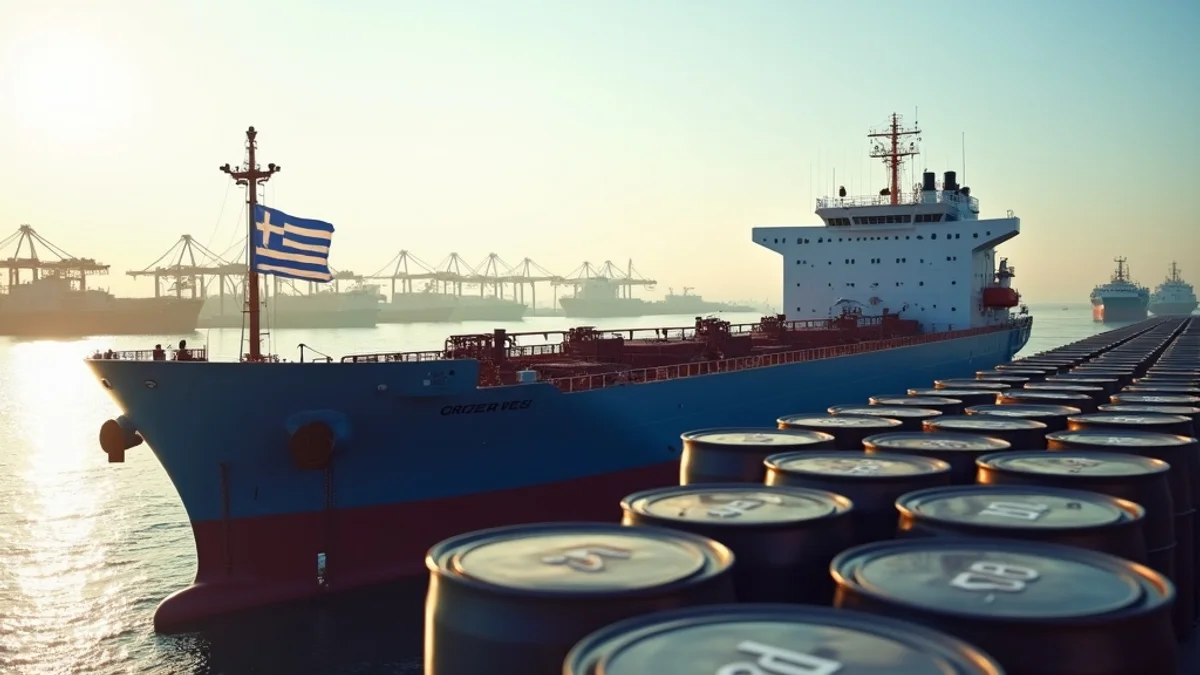
Greek shipping companies have garnered nearly $4 billion in revenue over the last three years by transporting Russian oil amid the G7 price cap regime. This opportunity stems from increased global demand for Russian fuel, despite Western nations' efforts to limit its impact through economic sanctions. Companies like Dynacom Tankers, Stealth Maritime, and the Onassis Group have capitalized on the trade, significantly boosting their bottom lines while navigating complex geopolitical waters.
G7 Price Cap Regime Impact on Oil Freight Rates
The G7 price cap, which aims to restrict the revenue Russia earns from its oil exports, has inadvertently created a thriving environment for Greek shipping. As oil prices fluctuate, the cap has led to a distinctive pricing structure that benefits carriers willing to transport Russian crude at competitive rates. According to recent reports, the average freight cost for shipping Russian oil has remained stable, allowing companies to enjoy healthy margins while complying with the regulations.
In 2022 alone, Greek shipping firms transported over 100 million barrels of Russian oil, reflecting a 30% increase compared to the previous year. This volume surge, coupled with elevated freight rates, has resulted in substantial financial gains, showing the resilience of the Greek shipping industry amidst international sanctions.
Dynacom Tankers and Others: Key Players in Greek Shipping
Leading the charge is Dynacom Tankers, which notably expanded its fleet to accommodate the growing demand for Russian oil transportation. The company reported a record profit margin of 40% in 2022, driven primarily by its operations in this controversial market. Stealth Maritime and the Onassis Group have also reported significant increases in revenue, highlighting the competitive advantage of Greek firms in the oil shipping sector.
With an estimated 90% of the world’s oil transported by sea, the role of these shipping companies cannot be understated. They facilitate global energy supply while navigating the geopolitical complexities resulting from sanctions and price controls. As these firms continue to capitalize on the situation, they are reshaping the landscape of global shipping.
Future Outlook for Greek Shipping and Russian Oil Trade
Looking ahead, the implications of ongoing sanctions and price caps on Russian oil remain uncertain. As the European Union and G7 nations reevaluate their strategies, shifts in policy could impact the profitability of Greek shipping companies. Analysts predict that if oil prices stabilize beneath the cap, demand for shipping services from firms like Dynacom could remain robust through 2024.
Key indicators to watch include Brent crude prices and discussions within the EU regarding sanctions. Should prices rise above the G7 cap, the market dynamics could shift significantly, affecting profitability for those transporting Russian oil.
The Greek shipping sector stands at a crossroads, balancing profits with political risks. As geopolitical tensions evolve, these companies will need to adapt to maintain their financial momentum. Watch for how upcoming policy changes will shape the market landscape.