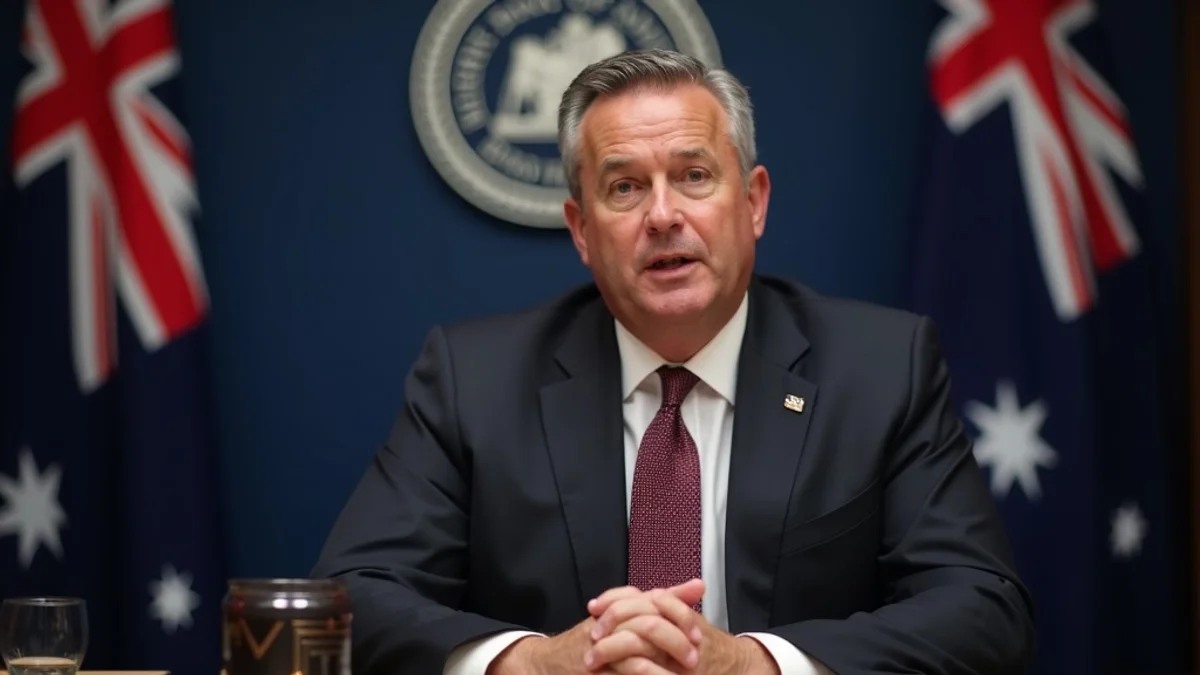


The European Central Bank (ECB) is poised to adopt a proactive stance in combating persistent high inflation, even in light of geopolitical developments such as a potential Iran nuclear deal. ECB Chief Economist Philip Lane's remarks underscore a commitment to monetary stability, which is a crucial consideration for forex traders navigating the volatile landscape of currency markets. With inflation showing no signs of abating, the ECB’s strategy will be a significant factor influencing European currencies, particularly the euro (EUR), as well as broader market sentiment.
Understanding the ECB's Inflation Concerns
As inflationary pressures in the Eurozone remain elevated, the ECB's focus is shifting towards ensuring price stability. This is not merely a reaction to current economic conditions; it reflects long-term trends that have emerged from factors such as supply chain disruptions, heightened energy prices, and labor market constraints. The ECB aims to anchor inflation expectations while maintaining robust economic growth.
Recent data indicate that Eurozone inflation rates have consistently outstripped the ECB’s target of 2%. As of the latest reports, inflation is hovering around 6%, driven primarily by energy and food prices. Lane's assertion that the ECB will be proactive suggests a readiness to implement measures such as interest rate hikes sooner than previously anticipated, which could significantly affect forex trading strategies.
The Impact of Geopolitical Factors
The geopolitical landscape, particularly developments regarding Iran's nuclear program, adds layers of complexity to the ECB's monetary policy. A successful deal could potentially lead to an influx of Iranian oil into global markets, which might lower energy prices and provide temporary relief from inflation. However, Lane emphasizes that the ECB’s primary focus remains on domestic economic indicators rather than external factors. This stance is critical for forex traders, especially those looking to position themselves against the euro or other currencies influenced by the Eurozone's economic health.
For instance, should the ECB signal a more aggressive rate hike strategy, the EUR/USD pair could strengthen, reflecting higher yields that attract capital inflows. Conversely, if the geopolitical tensions in Iran escalate, leading to spikes in oil prices, the euro could face downward pressure. Thus, traders should remain vigilant, monitoring both ECB communications and geopolitical developments closely.
Anticipating ECB Policy Decisions
With Lane's comments as a backdrop, how might traders prepare for potential ECB decisions? First, understanding the timeline of ECB meetings and economic forecasts is essential. Market participants often react strongly to forward guidance, and any indication of potential rate increases can lead to substantial volatility across currency pairs.
Moreover, traders should keep an eye on key economic indicators such as the Eurozone GDP growth rate, unemployment figures, and inflation readings. A scenario where inflation remains persistently high while growth slows could prompt the ECB to adopt a more hawkish stance, raising interest rates faster than the market anticipates. This anticipation could lead to a bullish trend for the euro against other currencies, particularly those with lower interest rates.
- EUR/USD: If the ECB signals rate hikes, expect the pair to rise as the euro strengthens against the dollar.
- EUR/GBP: The euro may also appreciate against the pound if the Bank of England lags behind in tightening monetary policy.
- Commodity Currencies: Pairs like EUR/CAD or EUR/AUD could react based on global commodity price shifts influenced by geopolitical events.
Moreover, forex traders should also consider the implications of rising interest rates on bond yields. Higher yields in the Eurozone could attract foreign investment, bolstering the euro. Conversely, if inflation drives central banks to raise rates aggressively, it may also trigger a risk-off sentiment in the markets, leading to fluctuations across various asset classes.
Strategies for Forex Traders
Given the evolving landscape shaped by the ECB's monetary policy and external geopolitical factors, what trading strategies can forex traders adopt? Here are a few actionable insights:
- Position Trading: For those with a longer-term perspective, consider taking positions in major currency pairs like EUR/USD and EUR/JPY, anticipating movements based on ECB announcements.
- Options Trading: Utilize options to hedge against volatility. For instance, buying calls on the euro could be advantageous if you anticipate positive ECB announcements.
- Scalping Volatility: Traders can capitalize on short-term volatility during key economic data releases or ECB meetings, aiming for rapid profit from price movements.
- Correlation Trading: Given the interconnectedness of global markets, monitor the relationship between euro-denominated pairs and commodities. For example, if oil prices decline post-Iran deal news, consider how this might impact the EUR/USD directly.
By employing these strategies, traders can navigate the complexities of the current economic climate and better position themselves to take advantage of potential market movements. Staying informed about ECB policy changes and global geopolitical developments is paramount to success in the forex market.
In conclusion, the ECB's proactive stance against high inflation signals that forex traders should prepare for increased market volatility and potential shifts in currency dynamics. As geopolitical factors and monetary policy converge, maintaining a flexible strategy and staying attuned to economic indicators will be critical for capitalizing on the resulting trading opportunities.