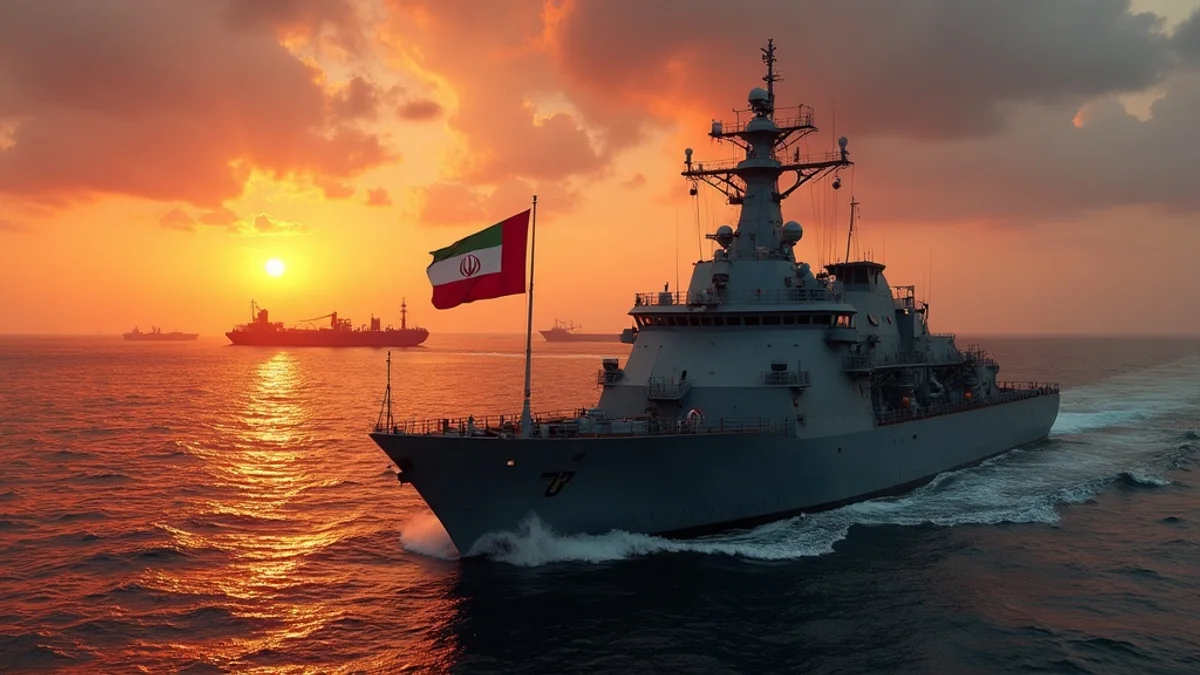

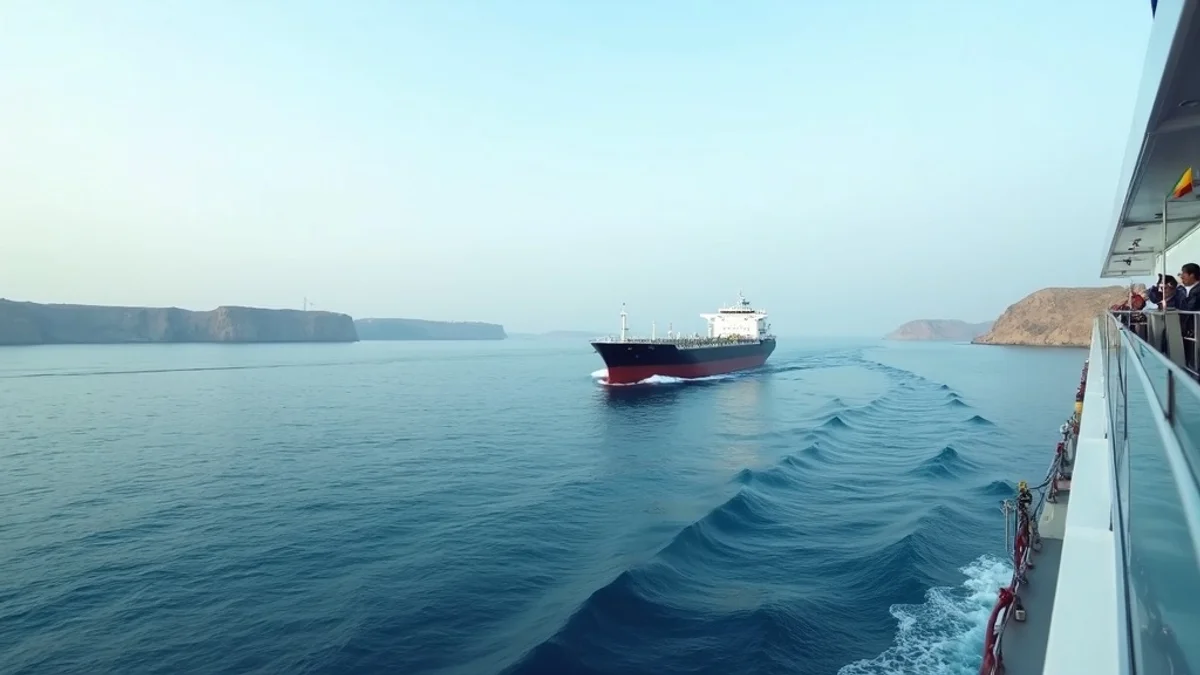
Oman reaffirms that any future arrangements regarding the Strait of Hormuz will not include tolls for vessels navigating this crucial waterway. This announcement comes amid a gradual uptick in maritime activity, with 30-40 vessels reportedly crossing the strait daily, according to ship tracking data from Kpler and ASX. The Strait of Hormuz remains a significant artery for global oil shipments, making any changes in its operational structure noteworthy for traders and investors alike.
Strait of Hormuz: A Vital Trade Route for Oil
The Strait of Hormuz is a narrow stretch of water that connects the Persian Gulf to the Gulf of Oman, allowing passage for about 20% of the world's crude oil. Recent geopolitical tensions, particularly involving Iran's control over the region, have raised concerns about shipping security and freedom of navigation. Oman’s recent statements aim to alleviate fears of new toll structures that could disrupt shipping costs and complicate oil transport.
For traders, the reaffirmation from Oman suggests stability in the immediate future. With oil prices often responsive to developments in this area, WTI Crude recently traded around $82 per barrel, while Brent Crude hovered near $86. If shipping costs stay the same, this could contribute to steady prices in the short term.
Iran's Role in Strait Operations and Market Implications
Despite Oman's assurances, Iran's extensive influence over the Strait of Hormuz continues to be a significant factor in maritime operations. The Iranian Revolutionary Guard Corps (IRGC) has indicated opposition to any international regulatory frameworks that would affect their control of the area. Their stance raises uncertainty around the long-term feasibility of maintaining a toll-free status.
Market participants should closely monitor developments involving the IRGC. Should they reject proposals for improved operational frameworks, this could lead to renewed tensions, likely resulting in increased volatility in oil prices and related currency pairs, such as USD/CAD and AUD/USD, contingent on energy market movements.
Current Shipping Trends: Vessels on the Move
Shipping data indicates that the daily movement of 30-40 vessels through the Strait of Hormuz marks a slight improvement from earlier weeks. This uptick suggests a slow return to normalcy in maritime activity, a positive signal for the global oil supply chain. The logistical implications are substantial; a secure and stable flow of vessels can enhance investor confidence across commodities markets.
Traders focused on oil-related assets should keep an eye on vessel traffic patterns. A sustained increase could indicate rising demand, potentially driving oil prices higher if coupled with geopolitical stability. Any disruptions could trigger rapid price fluctuations.
Potential Scenarios for the Future of Hormuz Arrangements
The future of operational arrangements in the Strait of Hormuz remains uncertain. Oman has made clear its commitment to keeping this vital waterway toll-free, but external pressures, particularly from Iran, may complicate matters. Traders should monitor any changes in Iran's posture or actions that could lead to escalation in the region.
Key indicators to watch include shipping traffic volumes and oil price movements, which are likely to react sensitively to any news from the strait. The USD/JPY pair may also reflect sentiment shifts as it is often influenced by oil price dynamics, given Japan’s reliance on imported energy.
Oman’s reaffirmation is a cautiously optimistic signal for traders in the commodities sector, particularly those trading oil. As market participants assess the implications of vessel movements and geopolitical tensions, the Strait of Hormuz will remain a focal point of interest in the coming weeks.