

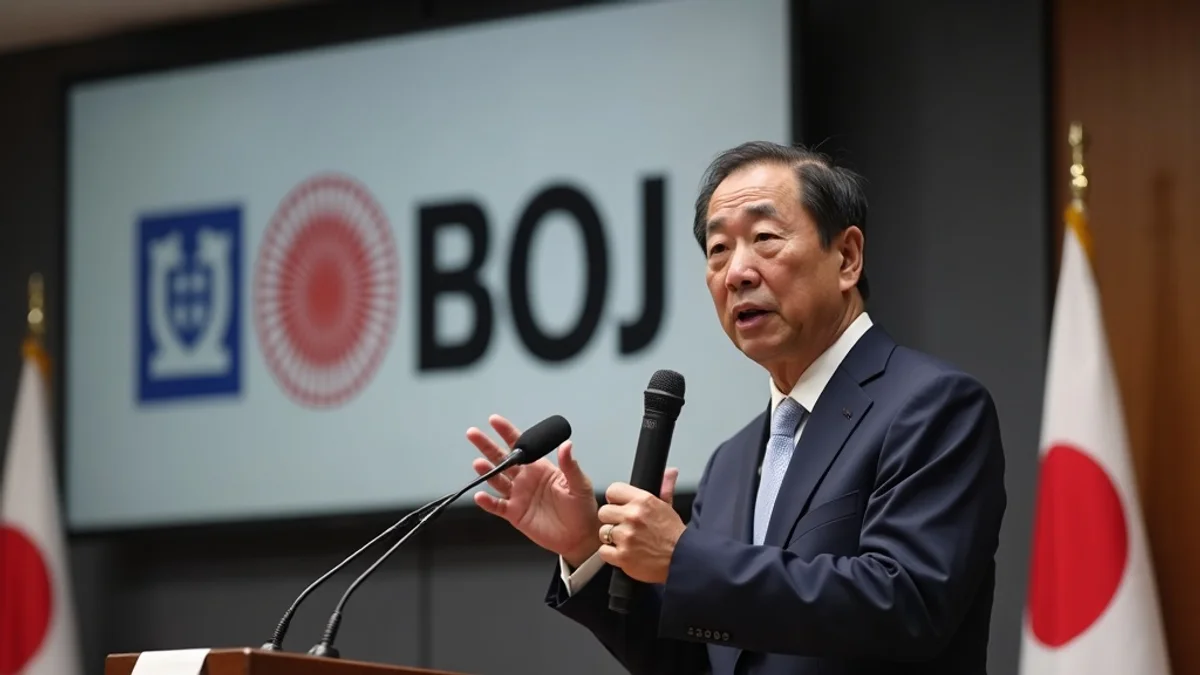
The Bank of Japan's (BOJ) monetary policy outlook took a hawkish turn as policymaker Hajime Takata suggested a potential rate hike every few months, responding to rising inflationary pressures. This marks a significant shift in Japan's long-standing ultra-loose monetary stance, which has been in place for nearly a decade. The yen's value immediately reacted, with USD/JPY trading at 145.00, reflecting stronger yen sentiment in the market.
Hawkish BOJ Signals Shift in Monetary Policy
Takata's recent comments indicate the BOJ's growing concern over inflation, which has surpassed the 2% target. Inflation in Japan reached 3.0% in August, driven by higher energy and food prices. This shift suggests that the BOJ may adopt a more aggressive approach to interest rates, contrasting sharply with the dovish tone historically associated with Japanese monetary policy.
Yen Strengthens Amid Policy Change Speculation
The yen's strength has been notable in recent trading sessions, as speculators react to the hawkish BOJ sentiment. The USD/JPY pair has fluctuated between 144.50 and 145.50, with traders closely monitoring comments from BOJ officials for further direction. A consistent rate hike trajectory could propel the yen higher, challenging the prevailing dollar strength.
Market Reactions to BOJ Rate Hike Potential
Market participants are weighing the implications of Takata's statements. Analysts predict that if the BOJ proceeds with rate hikes, starting as early as the first quarter of 2024, the USD/JPY could test critical support levels around 142.00. Such movements could influence cross-currency pairs, particularly EUR/JPY, which have also been sensitive to changes in Japanese monetary policy.
Inflation Trends and Economic Growth Prospects in Japan
Japan's inflationary pressures contribute to the urgency behind a possible policy shift. The country’s GDP growth has shown signs of stagnation, with a year-on-year growth rate of just 1.3% in Q2 2023, prompting the BOJ to reassess its approach to stimulating the economy. The next major economic indicator to watch will be Japan's unemployment rate, currently at 2.6%, as it could provide context to inflation trends and influence BOJ decisions.
As this hawkish stance develops, traders should monitor upcoming economic data, particularly inflation reports scheduled for release next month. These will significantly impact the potential timing and magnitude of any BOJ rate hikes.