

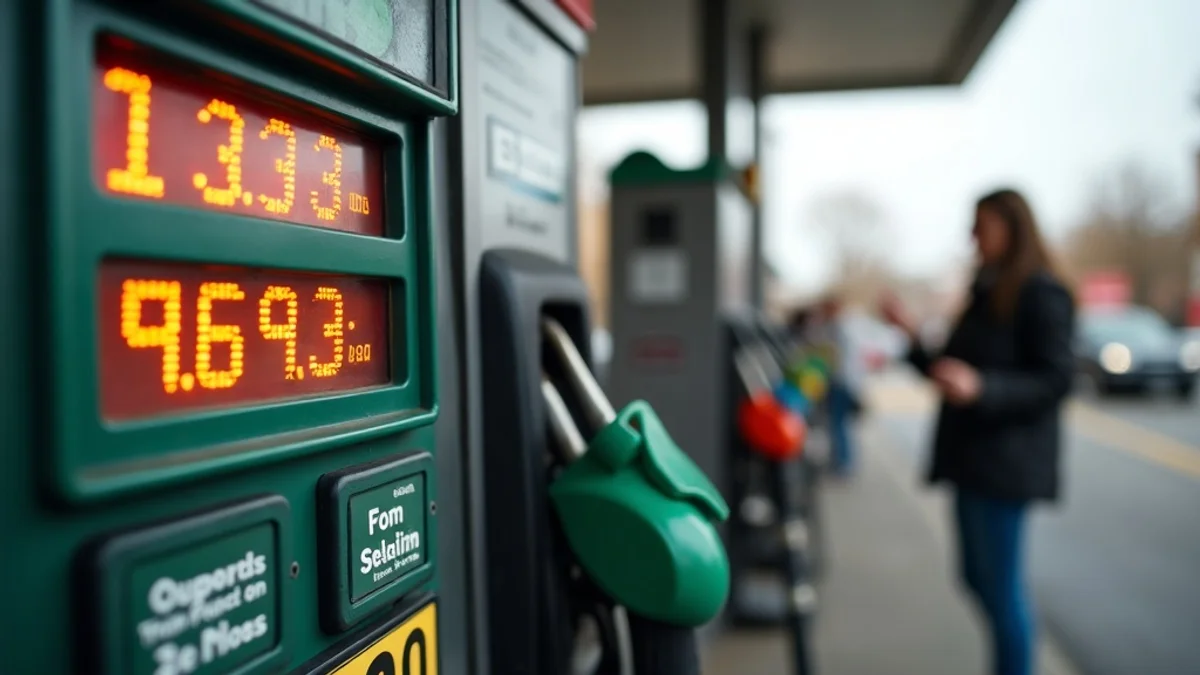
Former President Donald Trump has called on the Department of Justice (DOJ) to investigate major oil companies for failing to lower gasoline prices at the pump, despite a significant decline in crude oil prices. As oil prices have plummeted by over 20% in recent months, Trump's remarks reflect growing consumer concern regarding gas price inflation, which many believe constitutes price gouging. He expressed dissatisfaction with current gasoline prices, urging that they should decrease at a much faster rate than what consumers are currently experiencing.
Crude Oil Prices Drop Below $70
Currently, crude oil prices stand at approximately $66 per barrel, down from around $85 just a few weeks ago. This dramatic decline raises questions about why retailers haven’t adjusted their gas prices accordingly. Trump’s assertion that oil companies are profiting from inflated prices while consumers feel the pinch mirrors widespread frustrations as the average price for regular gasoline hovers around $3.75 per gallon nationwide.
Understanding the dynamics of supply and demand is crucial in this situation. When crude oil prices fall, the expectation is that gasoline prices should follow suit. However, the phenomenon of "rockets and feathers" describes how prices at the pump tend to drop slowly but rise rapidly. This market behavior is typically linked to logistical and supply chain issues that can delay price adjustments.
Impact on Consumer Behavior and Forex Markets
As consumers face higher gasoline prices, their purchasing power diminishes, potentially influencing broader economic activity. This situation can lead to a decrease in consumer spending, which may impact the U.S. dollar's strength against other currencies. For forex traders, monitoring the USD's performance against commodity-linked currencies such as the Canadian dollar (CAD) and the Australian dollar (AUD) could provide valuable insights into market sentiment surrounding oil price fluctuations.
If gasoline prices continue to stay elevated despite dropping crude oil costs, it may lead to a weakening of the USD as investors readjust their expectations for economic growth. Traders should pay attention to key support and resistance levels for the USD/CAD pair, especially given Canada's heavy reliance on oil exports.
Potential Consequences for Oil Companies and Gas Prices
Trump's recent comments could have significant implications for major oil companies. Calls for a DOJ investigation may prompt public scrutiny and regulatory pressures, which could force these companies to justify their pricing strategies. If oil companies are found to be unjustifiably maintaining high gasoline prices, they could face legal ramifications and potential fines.
A shift in public sentiment against oil companies may lead to increased demands for regulatory reforms in the energy sector. This regulatory environment could impact oil futures prices, which are currently trading lower but remain volatile. Traders should monitor the news closely, as any announcements from the DOJ or major oil companies regarding pricing strategies could lead to sharp movements in oil and gas stocks.
Next Steps in the Energy Market
As the market reacts to Trump's calls, traders will be watching for measures taken by the DOJ and any responses from oil companies. The next significant data to consider is the upcoming U.S. Energy Information Administration (EIA) report, which could provide further insight into U.S. crude oil inventories and production levels. A decrease in U.S. production could potentially lead to a rebound in oil prices.
Traders should stay alert for developments in regulatory actions and market responses that could shape the direction of oil and gas prices in the coming weeks.