

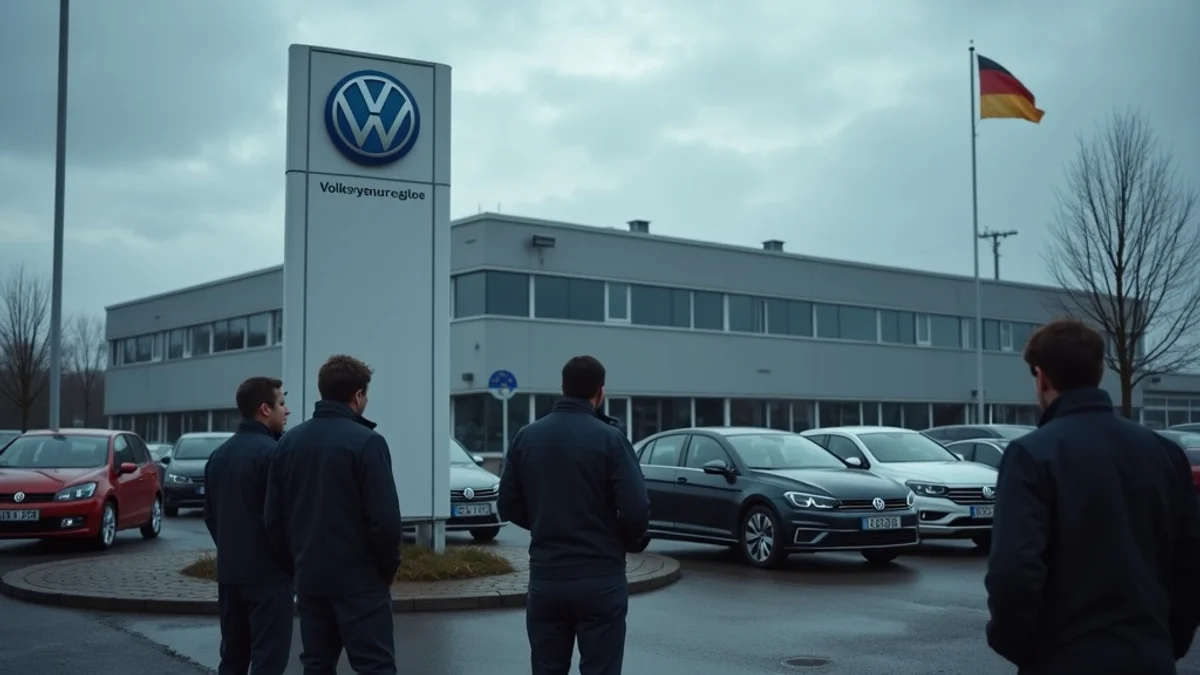
Volkswagen's announcement of a major jobs cull has sent shockwaves through the automotive industry, raising questions about the potential sale of its most valuable assets. The company has secured a €10 billion valuation through a discreet auction held by Everllence, but it may need additional funds to support its restructuring amid a rapidly changing market landscape.
Volkswagen's €10 Billion Auction and Restructuring Needs
The €10 billion figure from the Everllence auction is pivotal for Volkswagen, reflecting both investor interest and the company’s pressing financial challenges. Economic pressures, driven by shifting consumer preferences towards electric vehicles, have forced the automaker to reassess its operational strategy. The restructuring aims to realign resources and cut costs, resulting in substantial job losses.
The job reductions, numbering in the thousands, highlight a harsh reality: as Volkswagen pivots towards electrification, its traditional workforce and manufacturing processes may no longer be viable. Analysts predict that without additional capital or asset sales, the company may struggle to finance its ambitious plans for electric vehicle production, essential given Europe’s stringent emissions regulations.
Market Reactions to Volkswagen’s Job Cuts
Market analysts reacted swiftly to the news of Volkswagen’s job cuts, impacting the company’s stock price. Following the announcement, shares fell approximately 6% in the days after, reflecting investor concerns about the long-term viability of Volkswagen’s strategy. This decline raises questions about whether the company can navigate its restructuring without further destabilizing its market position.
The automotive sector overall is under pressure, with rising raw material costs and supply chain disruptions eroding profit margins for many manufacturers. Investors are focused on Volkswagen’s ability to adapt to these challenges while maintaining profitability. The need for further capital infusion, whether through asset sales or increased borrowing, has become a key concern for analysts covering the stock.
Potential Asset Sales: Volkswagen’s Crown Jewels at Risk?
As discussions around asset liquidation intensify, Volkswagen faces critical decisions about which divisions to sell. The company’s most valued assets, including luxury brands like Porsche and Audi, could be targeted to raise funds quickly. Selling stakes in subsidiaries might alleviate immediate financial pressures but could fracture brand integrity over the long term.
Industry experts suggest that while asset sales could provide a short-term cash influx, they might undermine Volkswagen’s competitive edge. Maintaining a diversified portfolio has traditionally allowed the company to hedge against sector volatility, but drastic measures may be necessary for its survival. Investors are closely monitoring which brands the company may consider shedding, as certain luxury segments continue to show strong demand even amid economic downturns.
Broader Financial Implications for the Automotive Industry
The challenges faced by Volkswagen reflect broader trends impacting the automotive sector worldwide. As manufacturers pivot to electric and hybrid vehicles, the industry faces an existential crisis regarding job retention and capital allocation. The European market is undergoing significant shifts, with many governments promoting green initiatives that demand rapid adaptation.
In the United States, companies are grappling with similar pressures as consumer preferences shift towards electric vehicles, influenced by environmental considerations and government incentives. The Federal Reserve’s interest rate policies could complicate financing for automotive firms looking to innovate or restructure, making it essential for companies like Volkswagen to act decisively.
As Volkswagen's next steps become critical, attention will turn to the upcoming earnings report. Analysts will seek signals regarding the company's restructuring progress and any indications of future asset sales that could reshape its operational landscape.