
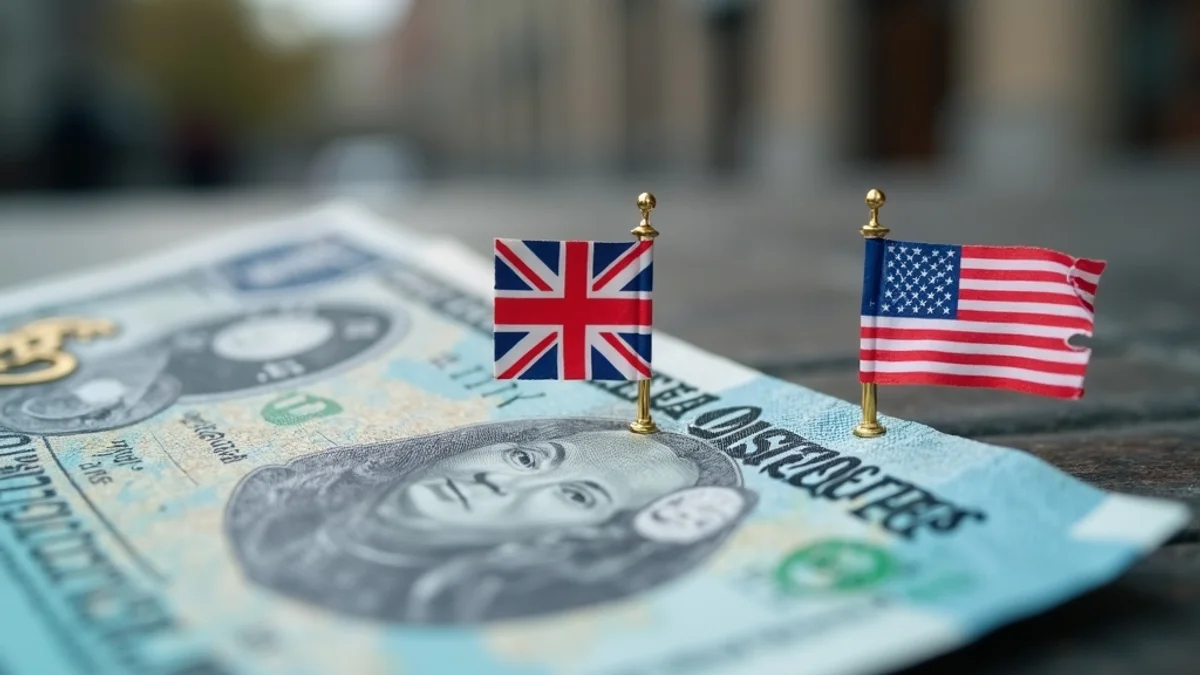
The pound strengthened against the dollar following disappointing U.S. payroll numbers released on Friday, pushing the GBP/USD exchange rate to 1.2650. Investors reacted to the data, which showed only 142,000 jobs added in November, significantly below the expected 200,000, signaling potential weakness in the U.S. labor market and a more dovish stance from the Federal Reserve.
GBP/USD Gains Amid Weak U.S. Data
On Friday, November 3, the GBP/USD pair rose from an earlier low of 1.2550 to 1.2650, marking a 0.8% increase. The weak payroll report sent the dollar tumbling, with the DXY Index, which measures the dollar against a basket of currencies, falling to 102.50. This marks a notable decline, highlighting investor concerns over U.S. economic health.
Analysts pointed out that the sluggish jobs report revealed not just a slowdown in hiring but also a drop in wage growth, which increased only 3.1% year-over-year compared to expectations of 3.3%. This may lead the Federal Reserve to reconsider its aggressive rate hike strategy, as any signs of economic weakness typically prompt central banks to adopt a more accommodative stance.
Market Reaction and Outlook for Sterling Today
The immediate market reaction indicated a flight from the dollar into perceived safer currencies, including the pound and the euro. Sterling today not only benefitted from the dollar's weakness but also received a boost from domestic economic data. The UK saw a slight uptick in manufacturing growth, with the latest PMI coming in at 51.5, indicating a return to expansion.
Traders are closely watching for further U.S. economic indicators, particularly the upcoming inflation data set for release next week. If inflation continues to show signs of cooling, the Fed may be forced to adjust its policy path, further impacting the dollar and potentially propelling GBP/USD higher.
Factors Influencing the Pound: Inflation and Central Bank Policies
The Bank of England (BoE) has maintained a cautiously optimistic outlook despite the crisis in housing and rising living costs. Their recent decisions indicated a focus on curbing inflation, which remains stubbornly high but is expected to ease. Current inflation in the UK sits at 6.7%, down from a peak of over 10% earlier in the year, providing some relief to consumers and businesses alike.
Traders are weighing the impacts of potential future interest rate hikes by the BoE against shifts in U.S. monetary policy. With the Fed’s stance shifting towards less aggressive rate policies after the payroll report, the focus on the UK economy could strengthen the pound further if the BoE decides to act decisively in the upcoming meetings.
Next Economic Data to Watch: U.S. Inflation Figures
Investors are now turning their attention to the U.S. Consumer Price Index (CPI) scheduled for release next week. This data will be crucial in determining the future trajectory of U.S. monetary policy. A lower-than-expected CPI could reinforce the trend of dollar weakness seen after the payroll numbers, potentially pushing GBP/USD even higher in the coming weeks.
The pound's performance against the dollar will depend on domestic economic resilience and U.S. economic indicators. Significant shifts could reshape the currency landscape as markets respond to evolving data.