

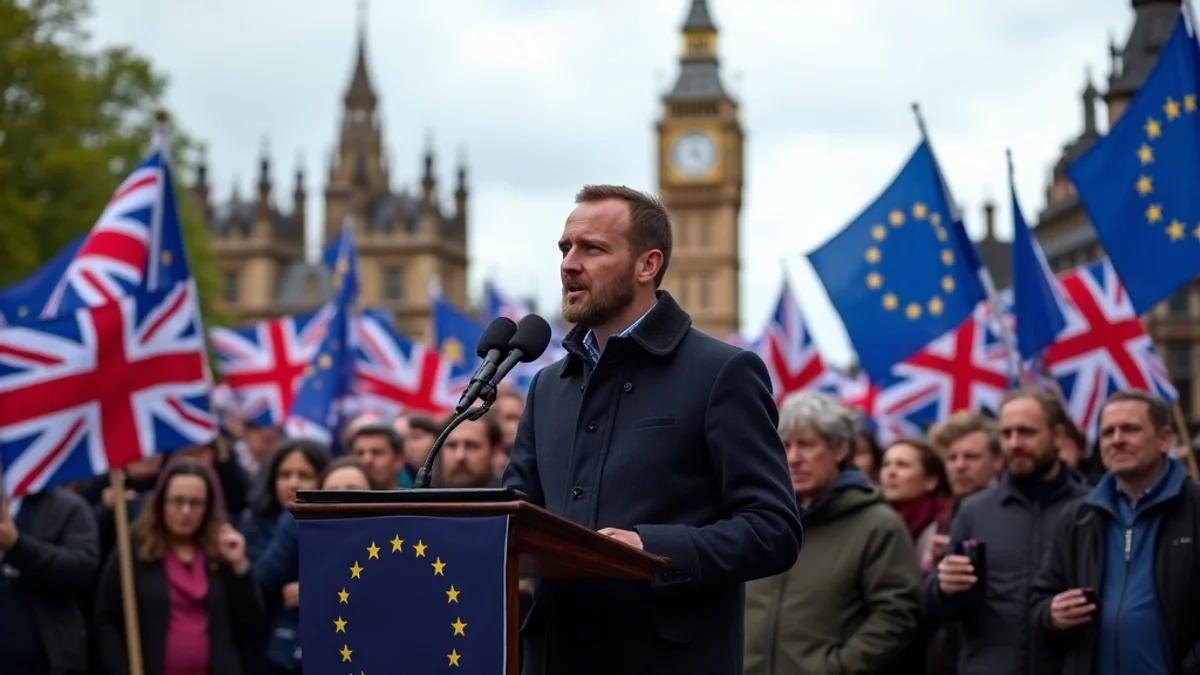
Nigel Farage’s Brexit campaign received significant funding from the EU budget, with approximately £1.2 million allocated to anti-immigrant initiatives during the 'Say No to EU' tour. This revelation raises critical questions about the use of European Union funds in a campaign that sought to dismantle the very system that financed it.
How EU Funds Supported Anti-EU Campaigning
Farage's campaign utilized EU funds to finance activities that aligned with his anti-immigrant rhetoric. The £1.2 million allocation primarily supported promotional materials, including posters aimed at creating skepticism about the Union. This stark contradiction highlights a paradox in EU policy, where funds intended for development and unity contributed to divisive politics.
The Political Ramifications for the UK and Beyond
This revelation holds substantial implications for political accountability within the EU framework. Critics argue that the flow of EU funds into anti-EU campaigns undermines the integrity of the Union. This funding strategy may embolden other populist movements across Europe, encouraging them to replicate Farage’s approach.
Market Impact and Economic Indicators
Investors should consider the potential market dislocations resulting from this political fallout. The UK's economic stability may be jeopardized as skepticism about the EU influences trade negotiations and investor confidence. Notably, the British pound has already shown signs of volatility following recent political announcements.
Rising inflation rates and shifts in consumer confidence could further complicate the economic landscape. With inflation hovering around 3.5% and consumer spending slowing, the potential for a recession looms larger. The Bank of England's monetary policy will likely shift in response to these economic indicators, adding another layer of uncertainty.
Looking Ahead: Implications for Trade Negotiations
The interplay between Farage’s funding revelations and ongoing trade discussions with the EU will be crucial in the coming months. As the UK seeks to establish new trade agreements post-Brexit, these revelations could impact negotiations. Both sides may approach talks with increased wariness, affecting market confidence and investment decisions.
Investors should keep a close watch on upcoming trade negotiations and shifts in monetary policy. Heightened political tensions and evolving economic conditions could create increased market volatility.