


Bitget Review 2026

4.2/5
Crypto Exchange
AhsanAhsan

Written by

Ahsan
FarzanaFarzana

Fact Checked by

Farzana

Updated

Recently
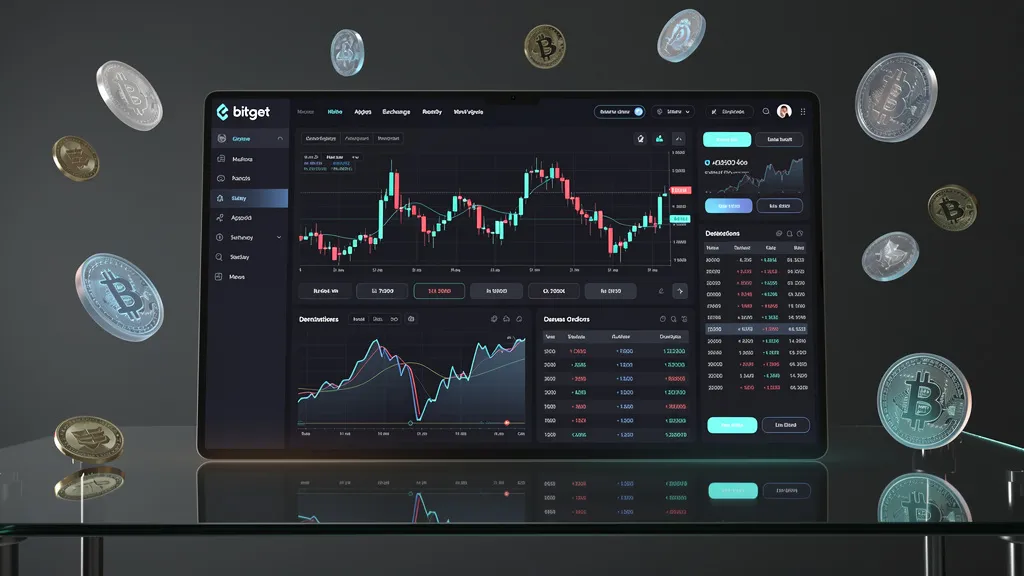
Bitget futures trading platform with advanced charting tools and cryptocurrency market analysis.

Bitget is a centralized exchange that jumped into the crypto scene in 2018. As a leading derivatives platform, it serves both spot and futures traders globally. Its focus on derivatives trading sets it apart, but it hasn't cracked the top tier for volume yet.

This platform is built for active traders who need deep liquidity, advanced trading features, and low fees. Beginners may find the interface tricky if they're just trying to make a simple fiat deposit.

Bitget offers competitive maker and taker fees at 0.02% and 0.06% respectively, supports over 350 cryptocurrencies, and keeps 95% of assets in cold storage. That’s a solid combo for traders who value cost-efficiency and security.

Watch out for variable withdrawal fees; they can be unclear and pricey depending on the coin. KYC is required, which could be a dealbreaker for privacy-focused users. In the US, restrictions limit access to Bitget's services.

Bitget is a solid choice for experienced traders focused on futures and derivatives, despite some limitations. Casual traders or those in restricted regions might want to look elsewhere.

What is Bitget Exchange?

Bitget launched in 2018 and quickly made a name for itself as a derivatives-focused exchange. While the specific founders aren't widely known, Bitget operates under Bitget Limited, incorporated in Singapore. As a centralized exchange (CEX), it uses an order book model and holds users' funds in custody. This allows for efficient trading but demands trust in the platform's security and solvency.

Bitget offers spot trading and perpetual futures contracts. It lacks options trading and a native NFT marketplace but provides features like staking and copy trading. These are great for traders wanting to diversify their strategies.

Bitget serves many countries worldwide but restricts access for users in the United States and other regions with strict regulations. Compliance varies, and while the exchange may operate under licenses from crypto-friendly jurisdictions, it doesn't specify which ones.

The focus on advanced trading features like copy trading sets Bitget apart from its competitors. It keeps the platform competitive for seasoned traders looking for effective tools. That's fair for a top-10 CEX.

Bitget

Maker Fee:

0.02%

Taker Fee:

0.06%

Futures Fee:

0.02% / 0.06%

Supported Coins:

350+

Cold Storage:

95%

Visit Bitget

Is Bitget Safe & Legit?

Bitget operates in jurisdictions with lighter regulations, but it hasn’t disclosed specific licenses. Users should keep in mind this Tier-3 oversight. It’s decent, but it doesn’t match Tier-1 countries like the FCA in the UK or MAS in Singapore.

Security is a top priority at Bitget. They keep 95% of user funds in cold storage, which reduces the risk of hacking. Most assets stay offline, and that’s a smart move.

Bitget publishes proof of reserves through a Merkle tree audit, though they don’t specify which auditor handles this. This transparency helps users verify their holdings and builds some trust.

The exchange hasn’t reported any major security breaches or insolvency events, showing solid operational integrity. Still, users should stay alert and follow best practices for account security.

Bitget looks like a safe option, especially with its cold storage and proof of reserves. That said, users need to consider the risks tied to its regulatory situation.

Fees & Trading Costs

Bitget's fees stand out, with a maker fee of 0.02% and a taker fee of 0.06% for spot trading. Makers add liquidity while takers remove it. A $10,000 taker trade costs $6 in fees, which is competitive.

For futures, the fees match those of spot trading: 0.02% maker and 0.06% taker rates. Details on funding rates or liquidation fees aren't available, but these usually vary by contract.

Volume-based fee tiers can lower costs for high-volume traders. VIP levels offer significant reductions, but expect them to cater to those with trading volumes in the tens of millions per month. That's not realistic for everyone.

Deposits are free across all supported methods, including bank transfers, card payments, and crypto. Withdrawal fees depend on the cryptocurrency, with common coins like BTC likely incurring higher costs due to network fees.

Bitget's fees are appealing when compared to the competition, making it a solid choice for both spot and futures traders executing large volumes.

  • Spot maker fee: 0.02%

  • Spot taker fee: 0.06%

  • Futures maker fee: 0.02%

  • Futures taker fee: 0.06%

  • Deposit fee: Free

  • Withdrawal fee (example coin): Varies by coin

  • Inactivity fee: None

Trading Platform & Features

Bitget cryptocurrency exchange trading platform review showing futures trading dashboard and market analysis tools.

Bitget’s web platform is well-structured and uses TradingView for solid charting. It supports multiple indicators, timeframes, and drawing tools, which helps both beginners and advanced users analyze the market.

The mobile app, available on iOS and Android, delivers a strong experience with full feature parity to the desktop version while maintaining speed and reliability. Some users might prefer desktop for extensive chart analysis, but the mobile app works great on the go.

Order types on Bitget include market, limit, stop-limit, and OCO, among others, giving traders flexibility in executing trades. This variety helps traders manage risk actively, which is crucial in today's market.

The derivatives interface features a clear layout for futures trading, integrating essential tools like margin management and funding rate displays. It also includes calculators for liquidation prices, making risk management simpler.

Bitget provides API access with both REST and WebSocket options. The documentation is solid, making it a solid choice for algorithmic traders aiming to implement automated strategies.

Supported Coins & Markets

Bitget lists over 350 cryptocurrencies and numerous trading pairs. You’ll find major assets like BTC, ETH, and SOL, plus plenty of altcoins and newcomer tokens. This variety helps traders spot opportunities beyond the usual big names.

Liquidity on major pairs like BTC/USDT is solid. Expect manageable slippage even on larger orders around $50,000. This reliability attracts high-volume traders.

Futures markets on Bitget are extensive, offering multiple perpetual contracts. While they don’t specify leverage options here, platforms like this usually provide leverage up to 125x. Just remember, caution is key.

Deposits & Withdrawals

Bitget offers several fiat deposit methods, including bank transfers, Visa, Mastercard, and Apple/Google Pay. These methods usually have no stated minimum deposit and get processed within standard banking times, typically free of charge.

Users can deposit crypto on Bitget through major networks like ERC-20, TRC-20, and BEP-20, with no minimum deposit amounts listed. Expect standard confirmation times depending on network congestion.

Withdrawals in fiat match the deposit options, but expect longer processing times. Crypto withdrawal fees differ by asset and network, so check specific coins to avoid surprises.

KYC is mandatory for withdrawals. Verification affects withdrawal limits—higher tiers allow for greater limits. This might turn off privacy-focused users. Honestly, I've seen faster KYC.

  • Bank transfer fee: Free, 1-3 days

  • Visa/Mastercard fee: Free, instant

  • Crypto withdrawal fee: Varies by coin, network-dependent

Security & Fund Protection

Bitget offers two-factor authentication through Google Authenticator, while SMS poses a risk due to SIM swaps. Account safety measures are solid, featuring withdrawal whitelists and anti-phishing codes.

Fund security at Bitget is impressive, with 95% of assets held in cold storage and protected by multi-signature wallets and HSMs. Keeping this high percentage offline cuts down exposure to cyber threats.

Users can verify their holdings thanks to Bitget's proof of reserves, which uses a Merkle tree for transparency. Audits happen regularly, but the details about the auditing body aren't provided.

There's a protection fund to compensate users in case of a breach, but they haven't disclosed fund sizes or past use. No major hacks have hit this exchange, which suggests they have solid security practices. That's fair for a top-10 CEX.

Customer Support & Community

Customer support on Bitget is available via 24/7 live chat and email. Expect quick responses in live chat, but email replies may take longer depending on how complex your query is.

Support agents know their stuff, but some users might get scripted replies for more technical questions. Most issues involve trading mechanics and account setup.

Bitget offers support in multiple languages, including English, Chinese, and Japanese, which helps it reach a global audience. This is smart for attracting users from different regions.

The community on Telegram and Twitter is active and responsive. Engagement is solid, but the educational resources mostly cater to beginners rather than experienced traders. Honestly, they could step it up for advanced strategies.

Pros & Cons

Pros

  • 0.02% spot maker fee, beneficial for liquid markets
  • 0.06% spot taker fee, competitive for high-volume trades
  • 0.02% futures maker fee, aligned with spot structure
  • 350+ cryptocurrencies supported, diverse asset selection
  • 95% cold storage for enhanced security
  • Proof of reserves audit using Merkle trees, ensuring transparency
  • 24/7 live chat support, accessible and responsive
  • Feature-rich mobile app, on par with desktop version
  • Advanced charting tools with TradingView integration
  • No minimum deposit, flexible for new users

Cons

  • Withdrawal fees vary by coin, lacking transparency
  • KYC mandatory, potentially off-putting for privacy enthusiasts
  • Restricted in the US, limiting access for American users
  • Missing Tier-1 regulatory licenses, a concern for some
  • No options trading, diverging from full derivatives offerings
  • Variable futures funding rates, less predictable costs

Final Verdict

Bitget offers a secure trading environment, backed by high cold storage allocations and transparency through proof of reserves. Regulatory coverage is less than Tier-1 entities, but the platform remains a trustworthy option.

With low maker/taker fees, Bitget's fee structure attracts active traders. It's especially cost-effective for users making high-volume trades.

This platform delivers a solid trading experience, especially for derivatives traders. Advanced tools and user-friendly interfaces meet the demands of experienced traders.

Frequently Asked Questions

Is Bitget safe to use?

Bitget uses 95% cold storage and conducts proof of reserves audits via Merkle trees. No major security incidents reported.

What are Bitget's trading fees?

Spot fees are 0.02% maker and 0.06% taker. These are competitive compared to industry averages.

Does Bitget support fiat deposits?

Yes, through bank transfers and card payments. Restrictions apply to certain countries like the US.

What cryptocurrencies can I trade on Bitget?

With over 350 coins listed, you can trade major assets like BTC, ETH, and unique altcoins.

Is Bitget available in my country?

Bitget serves many regions globally but restricts access to users in the US and other regulated markets.

What is the minimum deposit on Bitget?

There is no minimum deposit requirement on Bitget, providing flexibility for all users.

Does Bitget have a mobile app?

Yes, available for iOS and Android. It offers full feature parity with the desktop version.

About the Author
AhsanAhsanCFA | Trading Expert
AhsanCFA | Trading Expert
  • 10+ Years in Financial Markets
  • Reviewed 50+ Brokers & Exchanges
  • CFA Charterholder

Ahsan is a CFA Charterholder with over a decade of hands-on experience in financial markets. Having started his career on the institutional side, he brings a rigorous analytical approach to every broker and exchange review published on Traderbbs. His work covers Forex trading, CFD brokers, crypto exchanges, and risk assessment frameworks. Ahsan has directly tested and reviewed more than 50 trading platforms, assessing them on fee transparency, regulatory compliance, platform usability, and customer support quality.

This review follows our independent editorial standards.